WiFi hotspots can be a significant revenue stream if monetized correctly. Whether you're running a hotel, ISP, restaurant, or any business with WiFi, there are multiple ways to turn your internet connection into a profit center. Here are 10 proven strategies that businesses worldwide use to generate income from their WiFi networks.
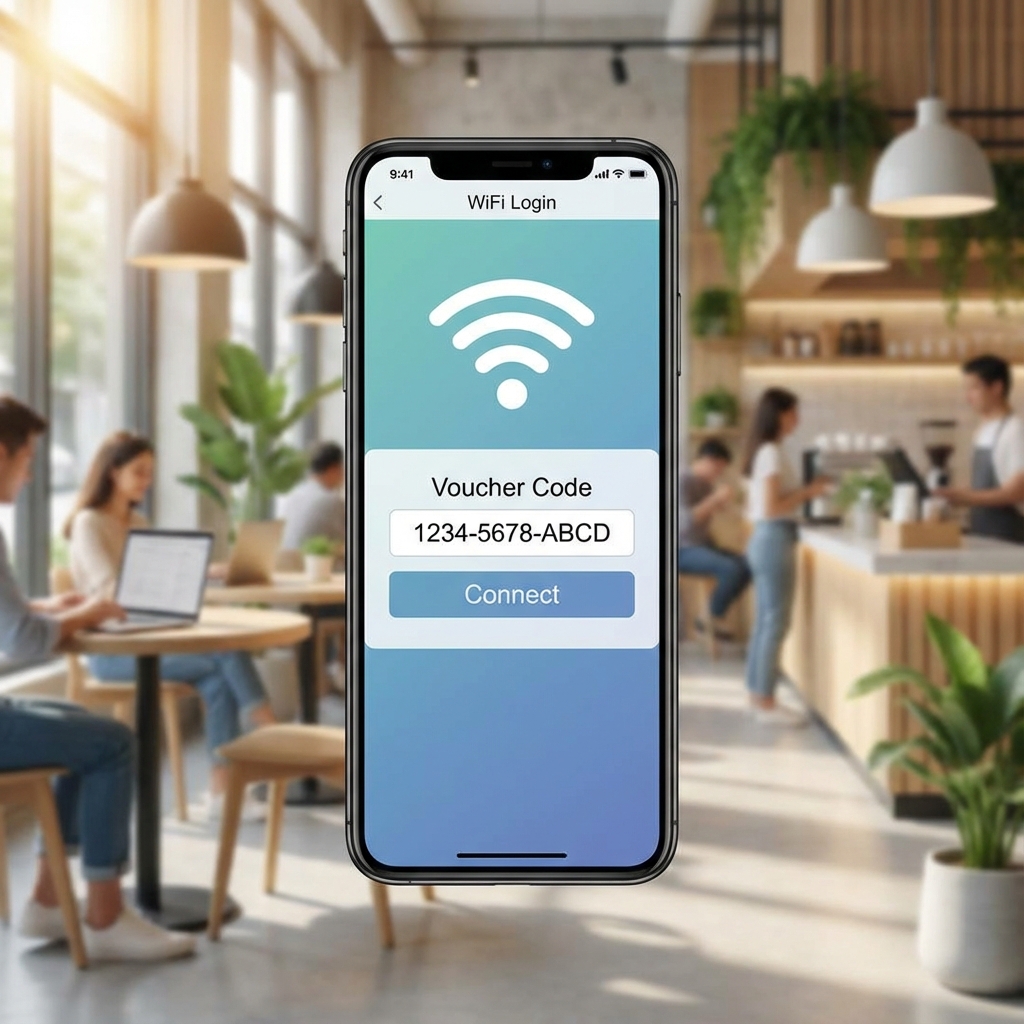
1. Prepaid Voucher System
The most popular monetization method is selling prepaid WiFi vouchers. Customers purchase vouchers for time-based or data-based access. This works exceptionally well for:
- Hotels: Offer complimentary basic WiFi and charge for premium high-speed access
- ISPs: Sell vouchers for public WiFi locations
- Restaurants: Provide free WiFi for 30 minutes, then require voucher purchase
- Events: Sell day passes for conferences, festivals, or gatherings
YesSpot's voucher system makes it easy to create, manage, and track vouchers. You can set custom validity periods, bandwidth limits, and pricing tiers.
Pricing Examples:
- 1 hour: $2-5
- 24 hours: $5-15
- 7 days: $20-50
- 30 days: $50-150
2. Tiered Service Model
Offer multiple service tiers to appeal to different customer segments:
- Free Tier: Basic speed (1-2 Mbps), limited time (30 minutes/day), perfect for casual users
- Premium Tier: High speed (10-50 Mbps), unlimited time, priority support - $5-15/day
- Business Tier: Dedicated bandwidth, multiple device support, SLA guarantees - $20-50/day
This model maximizes revenue by capturing both price-sensitive and premium customers. Hotels often use this approach, offering free basic WiFi to all guests while upselling premium packages.
3. Subscription-Based Access
Offer monthly or annual subscriptions for frequent users. This provides predictable recurring revenue and is perfect for:
- Business professionals who travel frequently
- Students who need reliable internet
- Remote workers
- Long-term guests at hotels
Subscription pricing typically ranges from $15-50/month depending on speed and features. This model works especially well for ISPs offering hotspot services across multiple locations. To increase ARPU further, many operators pair subscriptions with OTT bundling for broadband ISPs — adding streaming apps to internet plans at wholesale rates.
4. Advertising-Based Model
Provide free WiFi in exchange for viewing advertisements. Revenue comes from advertisers rather than end users. This model is popular in:
- Shopping malls
- Public spaces (parks, transportation hubs)
- Entertainment venues
- Retail stores
You can display ads on the captive portal login page, during browsing sessions, or both. Revenue depends on impressions and click-through rates. This model works best in high-traffic locations.
5. Purchase-Based Access
Link WiFi access to purchases. This is perfect for restaurants, cafes, and retail stores:
- Free WiFi with purchase above a certain amount (e.g., $10+)
- WiFi voucher included with meal packages
- Premium WiFi access for VIP/loyalty members
This strategy increases average order value and encourages repeat visits. Customers are more likely to make additional purchases to access WiFi.
6. Time-Limited Free Access
Offer free WiFi for a limited time (e.g., 30 minutes), then require payment for extended access. This strategy:
- Attracts customers with free access
- Converts casual users to paying customers
- Reduces bandwidth abuse
- Increases revenue from heavy users
Restaurants and cafes commonly use this approach. Customers get enough time to check emails or social media, but need to pay for streaming or extended browsing.
7. Location-Based Pricing
Charge different prices based on location or time of day:
- Premium Locations: Charge more in high-demand areas (lobby, pool, business center)
- Peak Hours: Higher prices during busy times (evenings, weekends)
- Event Pricing: Special pricing for conferences, meetings, or events
Hotels often use this strategy, offering free WiFi in rooms but charging premium rates in conference rooms or business centers.
8. Data-Based Billing
Charge customers based on actual data consumed rather than time. This model works well for:
- ISPs offering hotspot services
- Businesses with limited bandwidth
- Customers who need occasional high-speed access
Pricing examples: $0.10-0.50 per GB. This model is fair for both light and heavy users and helps manage bandwidth costs.
9. Partnership Revenue Sharing
Partner with other businesses to share WiFi revenue:
- Hotels partnering with local restaurants or cafes
- ISPs partnering with retail chains
- Malls partnering with individual stores
Revenue sharing agreements typically split income 50/50 or 60/40. This model helps expand your network reach and reduces individual location costs.
10. Value-Added Services
Bundle WiFi with other services to increase revenue:
- Hotels: WiFi + streaming services, WiFi + room service discounts
- Restaurants: WiFi + loyalty program, WiFi + special offers
- ISPs: WiFi + cloud storage, WiFi + security services
Bundling increases perceived value and allows you to charge premium prices. Customers are more willing to pay for a package than individual services.
Choosing the Right Monetization Strategy
The best strategy depends on your business type, location, and customer base:
For Hotels:
Recommended: Tiered Service Model + Voucher System
Offer free basic WiFi to all guests, but charge for premium high-speed access. This maximizes revenue while maintaining guest satisfaction.
For ISPs:
Recommended: Voucher System + Subscription Model
Sell prepaid vouchers for public locations and offer monthly subscriptions for frequent users. This provides both one-time and recurring revenue.
For Restaurants:
Recommended: Time-Limited Free + Purchase-Based Access
Offer 30 minutes free, then require purchase or payment. This encourages customers to stay longer and order more.
For Shopping Malls:
Recommended: Advertising-Based + Voucher System
Provide free WiFi with ads, but offer ad-free premium access for purchase. This captures both advertising revenue and direct payments.
Implementation Tips
1. Start Simple
Begin with one monetization method and expand as you learn what works best for your customers.
2. Test Pricing
Experiment with different price points to find the sweet spot that maximizes revenue without deterring customers.
3. Monitor Analytics
Use YesSpot's analytics dashboard to track which monetization methods generate the most revenue.
4. Communicate Clearly
Make pricing and access terms clear to customers. Confusion leads to frustration and lost revenue.
5. Offer Multiple Options
Provide different access methods (vouchers, subscriptions, pay-per-use) to appeal to various customer preferences.
Revenue Projections
Here are realistic revenue projections for different business types:
Hotel (100 rooms):
- 20% of guests purchase premium WiFi: 20 guests/day × $10 = $200/day
- Monthly revenue: $6,000
- Annual revenue: $72,000
ISP (50 hotspot locations):
- Average 30 users per location per day: 1,500 users/day
- Average revenue per user: $2
- Daily revenue: $3,000
- Monthly revenue: $90,000
Restaurant (High-traffic location):
- 100 customers/day, 30% purchase WiFi: 30 customers × $3 = $90/day
- Monthly revenue: $2,700
- Annual revenue: $32,400
Getting Started with YesSpot
YesSpot makes it easy to implement any of these monetization strategies. Our platform supports:
- Voucher management for prepaid access
- Customizable captive portals for branding and advertising
- Real-time analytics to track revenue and optimize pricing
- Multiple authentication methods (social login, SMS OTP, vouchers)
- Flexible pricing and billing options
Whether you're in Dubai, Pakistan, India, or anywhere else, YesSpot provides the tools you need to monetize your WiFi hotspot successfully.
Conclusion
WiFi hotspot monetization offers significant revenue potential for businesses of all types. The key is choosing the right strategy for your business model and customer base. With YesSpot's comprehensive platform, you can implement multiple monetization methods and optimize based on real data.
Don't let your WiFi be a cost center—turn it into a profit center. Start your free YesSpot trial today and see how easy it is to monetize your WiFi network!